We know your naan isn't bread
Most nutrition apps were built for a Western plate. Kalorist wasn’t
Start your free trial today!


The problem with every other app
Log a plate of biryani into most calorie trackers and you’ll get a shrug dressed up as a number – a generic “rice dish” estimate that can be off by hundreds of calories. These apps were built around Western packaged food and barcode scanning. The moment your plate doesn’t come with a barcode, they guess. You guess. Your goals never get fulfilled.
What Kalorist does differently
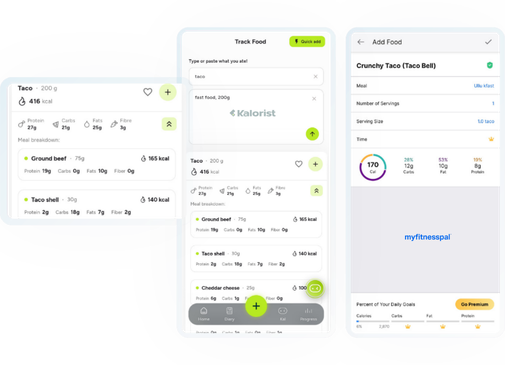
Kalorist’s food engine
Kalorist’s food engine was built from the ground up to understand how regional meals are actually cooked, portioned, and eaten:
- Curry-context detection – Kalorist knows the difference between a standalone piece of meat and meat cooked into a curry, and adjusts the estimate accordingly instead of treating every protein the same way.
- Real portion logic – “4 pieces of chicken wings” gets estimated the way people actually eat it (around 300g), not guessed from a generic serving-size assumption.
- Glycemic index estimation – built using the actual fiber-to-carb ratio of a dish, not a blunt carb-count guess.
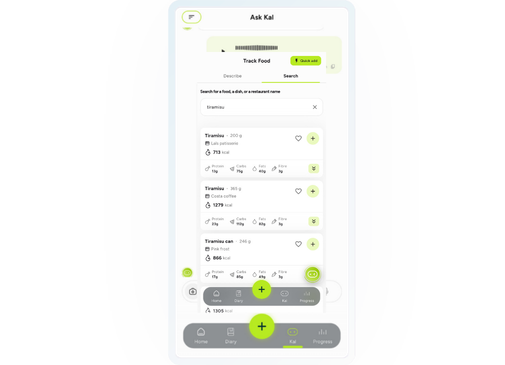
Built on real restaurant data – not translated Western data
Kalorist’s food engine has already processed over 4,000 restaurants across Pakistan alone, with more regions being added continuously. Every restaurant we process makes the underlying food engine smarter – it’s not a static database, it’s a learning system that gets better at recognizing dish patterns over time.
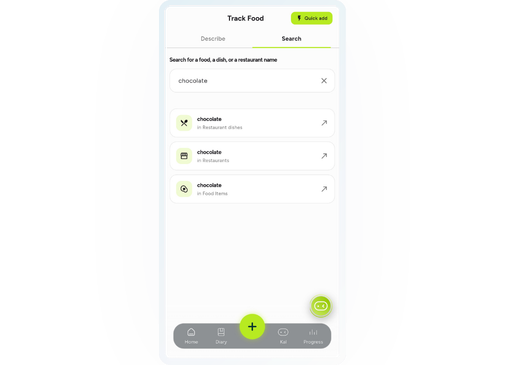
Craving something specific? Search restaurants and meals directly in the app
Search by restaurant name or dish name right inside Kalorist and see the nutrition breakdown before you order – not after you’ve already eaten and are trying to reconstruct what was in it.
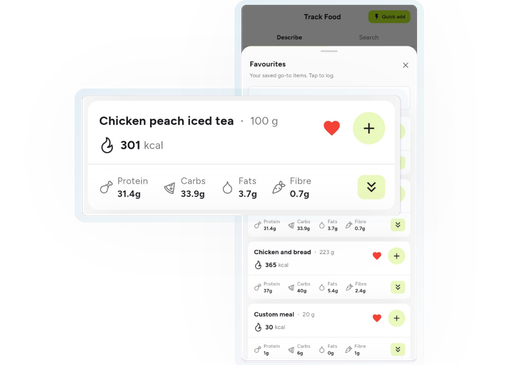
Favourite Restaurants
This isn’t a static database that goes stale. Kalorist’s engine keeps learning new dish patterns as more restaurants and regions get processed – which means the app gets more accurate for you the more it grows, not less.
Real coaching, for less than a coffee a day.
Try Kalorist and avail yourself of a free trial. See what it feels like to work with a nutrition coach who actually understands your food.
Cancel anytime!
Disclaimer: Kalorist provides evidence-based guidance but does not replace medical advice.