
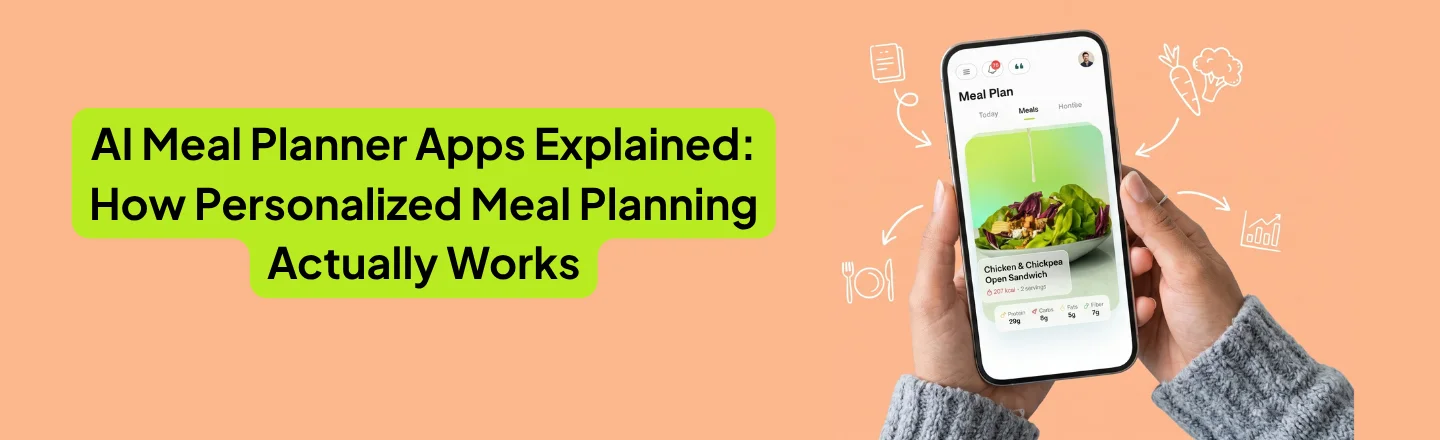
AI Meal Planner Apps Explained: How Personalized Meal Planning Actually Works
Meal planning has never been simple. Between counting calories, hitting macro targets, and figuring out what to actually eat, most people give up before the week is over. That is where a personalized meal plan app changes the game entirely.
Unlike generic diet plans found in magazines or downloaded PDFs, AI-powered meal planning tools are built to adapt. They learn from what you eat, adjust based on your goals, and take the guesswork completely out of nutrition. Here is a clear breakdown of how these apps actually work and why they are becoming the go-to choice for people serious about their health.
What Is a Personalized Meal Plan App?
A personalized meal plan app is a mobile or web-based tool that generates custom meal recommendations based on your individual data. This includes your body stats, dietary preferences, health goals, and daily activity levels.
Rather than handing everyone the same 1,500-calorie diet, a custom meal plan app builds a nutrition framework that is specific to you. Calorie targets, macro ratios, meal timing, and food preferences are all factored into the planning process from day one.
The result is a plan that actually fits your life rather than one that requires your life to fit around it.
How AI Drives the Personalization
The core difference between a standard meal plan and one generated by an AI meal planner app is adaptability. Here is how the technology works behind the scenes:
Goal-Based Calorie Calculation: When a goal is set, whether that is fat loss, muscle gain, or simply eating better, the app calculates daily calorie and macro requirements. These are not static numbers. They are updated based on logged food, activity data, and weight changes over time.
Food Preference Mapping: Most adaptive meal planning apps allow users to input dietary restrictions, cuisine preferences, and foods to avoid. The AI uses this data to ensure every suggested meal is one that is actually enjoyable, not just nutritionally complete.
Ongoing Learning and Adjustment: As meals are logged and habits are tracked, the system identifies patterns. If a particular meal is consistently skipped or a certain food is always substituted, the app adjusts future recommendations accordingly.
Real-Time Feedback Loops: Progress data is used to recalibrate targets. If weight loss has stalled, calorie targets are reviewed. If muscle gain is on track, the protein ratio may be increased. The plan evolves with the user rather than staying fixed at week one parameters.
Why Generic Meal Plans Fail
The fitness industry has been selling one-size-fits-all plans for decades. The problem is that nutrition is deeply individual. Two people can follow the exact same diet and experience completely different results based on metabolism, activity levels, food tolerances, and lifestyle factors.
Generic plans also lack the flexibility to accommodate real life. Travel, social events, busy workdays, and changing food access all disrupt rigid meal schedules. A custom meal plan app is designed with this variability in mind. Swaps are built in. Flexibility is part of the system.
Research consistently shows that adherence is the single biggest predictor of whether a diet works. A plan that fits your preferences and lifestyle is one that is far more likely to be followed consistently.
Key Features to Look for in an AI Meal Planner App
Not all apps in this space are built the same. When a personalized meal planning tool is being evaluated, these are the features worth prioritizing:
Macro and calorie customization: The ability to set and adjust targets for protein, carbohydrates, and fat separately.
Food database accuracy: A large and regularly updated food database, including restaurant meals and branded products.
Meal swap functionality: Easy substitutions when a suggested meal does not work for the day.
Progress syncing: Integration with fitness trackers or manual activity logging to keep calorie targets accurate.
AI coaching support: Guidance built into the app so questions about nutrition are answered without a separate consultation.
How Kalorist Brings Personalized Meal Planning Together
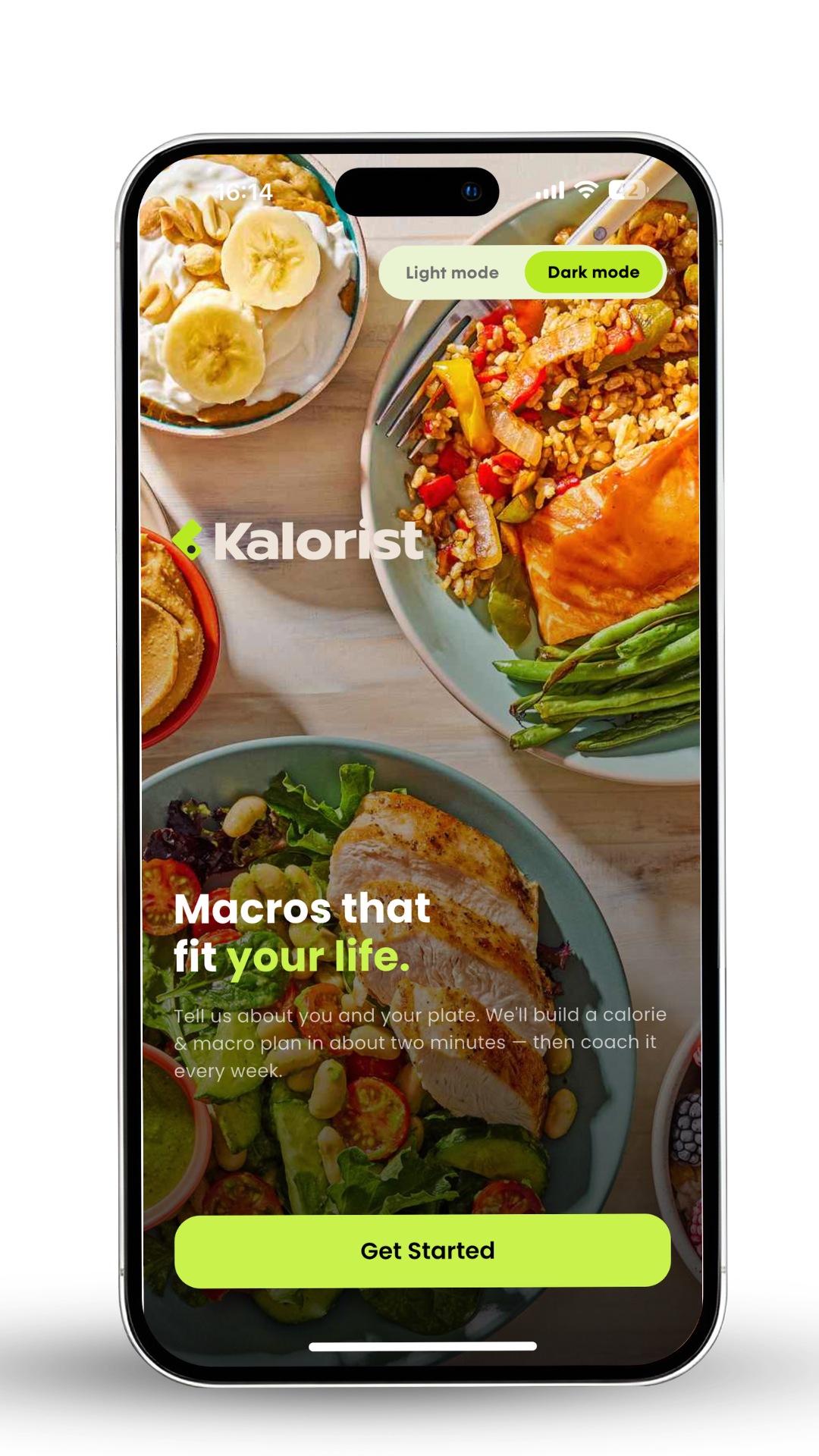
Kalorist is built around the idea that nutrition should feel effortless rather than overwhelming. The app uses AI to generate meal guidance that adapts to real eating habits, not idealized ones. With the best calorie tracker app functionality at its core, Kalorist makes it easy to log meals accurately and see exactly where macros and calories land at the end of each day.
The personalized nutrition coach feature takes this further by offering guidance that feels like working with a real coach. Questions get answered. Patterns get flagged. Adjustments are suggested before small issues become reasons to quit.
The Bottom Line
A personalized meal plan app removes the most common barriers to healthy eating: confusion about what to eat, frustration with rigid plans, and a lack of feedback when things are not working.
AI-powered meal planning is not a replacement for good nutrition fundamentals. It is the tool that makes those fundamentals easier to apply in real life, consistently, without requiring a degree in dietetics to understand.
If a smarter approach to eating is what you are looking for, an adaptive meal planning app is where that journey starts.
Real coaching, for less than a coffee a day.
Try Kalorist and avail yourself of a free trial. See what it feels like to work with a nutrition coach who actually understands your food.
Cancel anytime!


Disclaimer: Kalorist provides evidence-based guidance but does not replace medical advice.
Type your paragraph here